
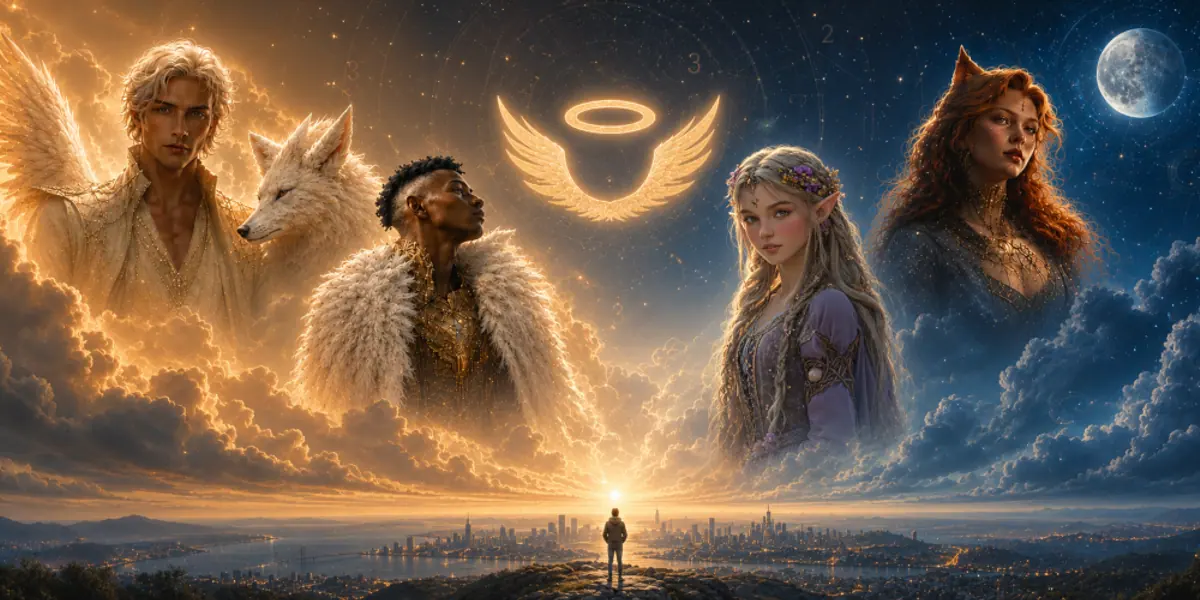
The medium changes; the questions remain
People have used sky maps and tarot cards to explore patterns, feelings and possible perspectives for a long time. A printed book gives everyone the same page. A conversation can react to the question in front of it. An AI interface offers a similar back-and-forth at any time, with room to ask what a symbol might mean in a specific context.
That makes AI useful as a medium: it can help compare interpretations, explain unfamiliar terms and turn a reading into questions you can actually think about. The meaning still comes from a tradition and from the person using it.
A large library, not all knowledge
Language models learn patterns from large collections of written material. They can connect established terms from astrology and tarot, summarize common interpretations and explain them in accessible language. This breadth is valuable when a chart combines many factors or a spread opens several possible readings.
Breadth is not completeness or expertise. A model can be wrong, invent a source or sound certain where the tradition itself is open to several views. Its answer should be treated as a draft for reflection, not as an authority.
Calculation, symbols and generated language
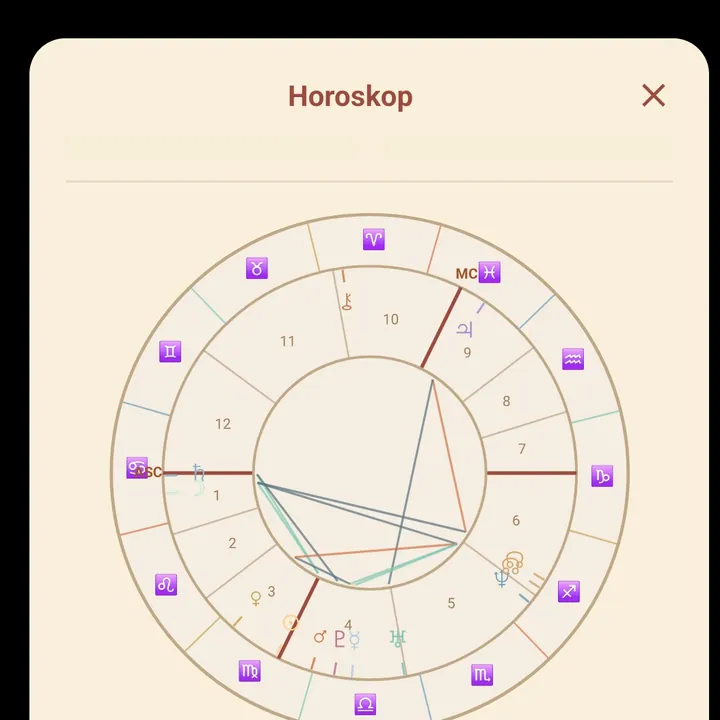
In a birth chart, the planet positions and house geometry are calculated from date, time and location. Those numbers are not generated by a language model. Reading a square, an ascendant or a transit is a symbolic step that follows the calculation.
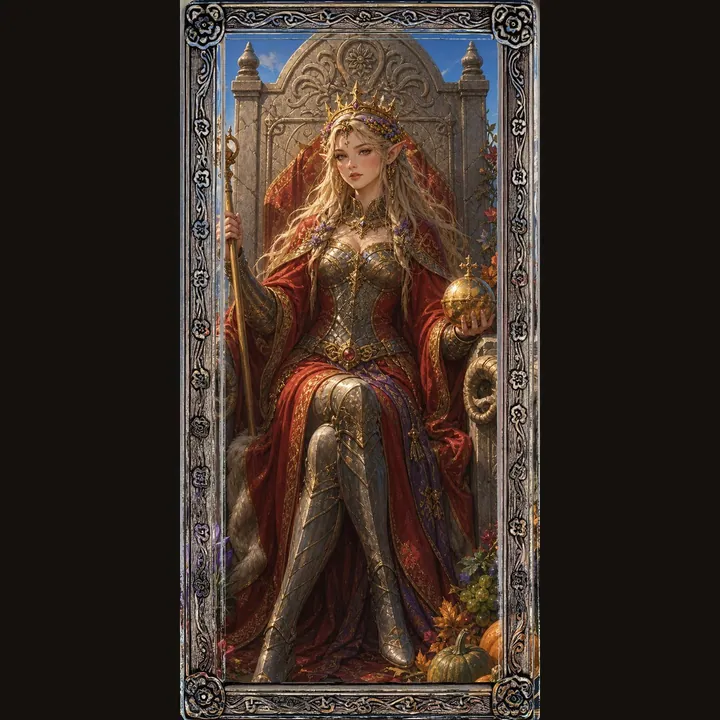
Tarot works differently: the cards form the input, whether they are physical or selected digitally. AI can describe established card meanings and connect them to the question. It does not know the future, and its phrasing is not proof that an event will happen.
Two layers, two different jobs
The chart supplies calculated structure. Tarot supplies an inherited symbolic image. AI can help put either into words, but it does not replace the source material.
An example for an ordinary day
Imagine that a daily reading mentions tension between initiative and patience. You might ask the AI to explain the two ideas in plain language, then ask which question could help with a meeting today. A useful answer could be: “What needs a decision now, and what can wait until I have more information?”
The value lies in that question and your response to it. Your calendar, energy, commitments and other people provide the facts for the actual plan. A horoscope should not overrule them.
AI is a flexible interpreter of old symbols. You remain the author of your decisions.
Where the boundary matters
Generated interpretations can contain errors, cultural assumptions and overly confident language. Health, money, relationships and other high-stakes topics require care. No horoscope or tarot reading should be presented as a diagnosis, a guaranteed prediction or professional advice.
GAIST separates astronomical calculation from symbolic interpretation and explains the methods behind the chart. Use AI when it helps you explore possibilities; set it aside when its words do not fit the evidence of your life.
Try the ideas with a real chart
Calculate your chart, follow the guide and compare the interpretation with what you actually know about yourself.